
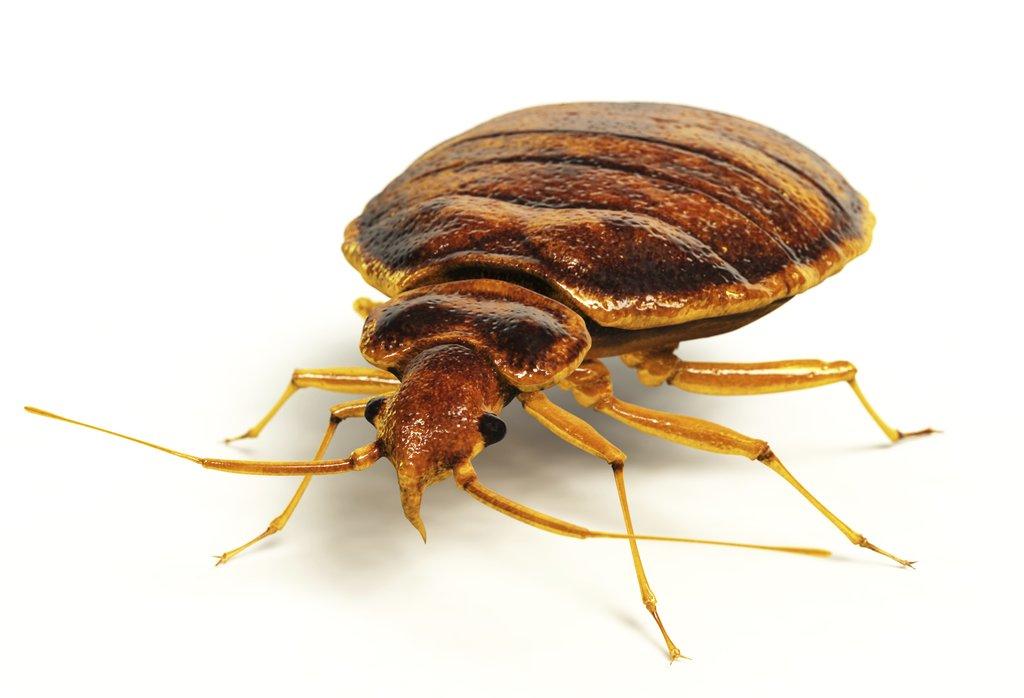
Scientific name: Cimex lectularius Family: Cimicidae Order: Hemiptera Risk level: Very high Category: Insect
?What is the common bed bug
Scientific name: Cimex lectularius
Family: Cimicidae
Order: Hemiptera
Risk level: Very high
Category: Insect
The bed bug (Cimex lectularius) is a small, obligate parasite that feeds on the blood of humans and warm-blooded animals. It is one of the most difficult insect pests to control in the modern world. When unfed, it measures 4–6 mm; after a blood meal, it swells and turns red, reaching up to 10 mm. Its flat, oval, brown body lets it hide in very narrow cracks and joints. It does not fly, but it moves nimbly and is highly adept at hiding.
Life cycle of the common bed bug
It undergoes incomplete metamorphosis: egg, five nymphal instars and adult. A female lays 1–5 eggs per day and 200–500 in her lifetime. Each nymphal stage requires at least one blood meal to molt. Adults can live for a full year and tolerate starvation for more than a year at low temperatures. Its ability to hide and survive long periods without food makes it extremely difficult to control.
Distribution of the common bed bug
It occurs in every country. Its spread is associated with increased air travel and international tourism. Saudi Arabia and the Gulf face increasing exposure through hotels, tourism and the second-hand furniture trade. Infestations have risen noticeably worldwide since 2000, alongside the emergence of pesticide resistance.
Damage and risks associated with the common bed bug
No confirmed cases of infectious disease transmission by bed bugs have been documented to date. However, bites can cause acute skin allergies in 70% of cases, severe allergic reactions in some people, anemia in severe infestations, serious sleep disruption and psychological problems such as anxiety and phobia. Its presence in hotels can also severely damage their reputation and revenue.
Signs of a common bed bug infestation
Signs include small brown blood spots on bedding; dark fecal spots under 1 mm on the bed frame and mattress; translucent beige shed skins; white, sticky eggs about the size of a grain of salt; a sweet, unpleasant odor in severe infestations; and linear patterns of bites on the skin.
Where common bed bugs are found
They hide along mattress edges and in wooden bed frames, behind headboards, in mattress folds and seams, behind picture frames, in wall cracks near beds, and in sofas and couches in severe infestations.
Common bed bug control methods
Inspection: use UV light and a magnifying glass to examine the mattress and frame carefully; trained dogs can detect bed bugs with 95%+ accuracy. Prevention: use protective mattress covers and inspect luggage after travel. Control: heat treatment raises the temperature to 52°C for two hours and is described as the best and cleanest option. Chemical treatment combines residual pesticides, pressurized steam and baits.
Common bed bug control products
Pyrethroids such as deltamethrin and cypermethrin are used, but widespread resistance occurs. Phenylpyrazoles such as fipronil are more effective against resistant strains. Neonicotinoids include imidacloprid and thiamethoxam. The chitin inhibitor novaluron targets nymphs. Rotating active ingredients is essential to delay resistance.
Requirements for controlling common bed bugs in food facilities
FSSC 22000/BRCGS: bed bugs are not usually included in food-pest control plans, but are covered by hotel quality systems. Hotel excellence standards require structured monthly inspections of all rooms and an immediate response protocol when any bed bug is found.
A fact about the common bed bug
Bed bugs are among the hardest insects to control biologically for several reasons: their adaptability to temperature and pesticides, their ability to survive without food for more than a year, and traumatic insemination, in which the male pierces the female’s abdomen with his reproductive organ instead of using the usual reproductive tract. This reproductive mechanism is very rare in nature.
Frequently asked questions about the common bed bug
Q: Is a clean home protected from bed bugs?
A: No. Cleanliness does not protect against bed bugs. They spread through luggage, clothing and used furniture regardless of cleanliness. Protection depends on regular inspections and precautions when traveling and buying items.
Q: Are household sprays enough to eliminate bed bugs?
A: No. Household sprays are often ineffective because of resistance and because the pesticide does not reach hiding places. Professional intervention using heat treatment or specialized professional pesticides is recommended