
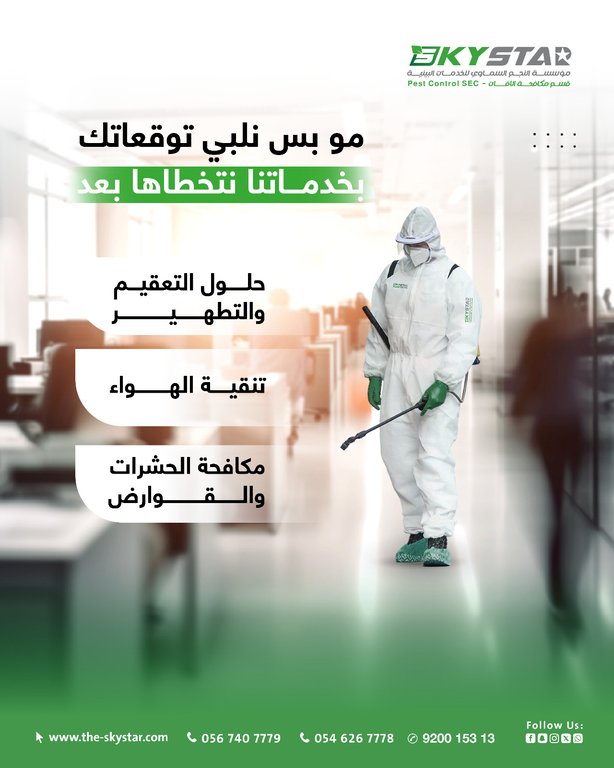
When Your Home Needs Disinfection
- After a household member has an infectious illness, especially if infants or older adults live in the home.
- Before moving into a new or rented apartment or villa whose history is unknown.
- After water or sewage leaks in a bathroom or basement.
- Persistent odors from carpets, air conditioners, or cabinets despite cleaning.
- After renovation or removal of old furniture containing dust and mold.
- After cockroach or rodent control, to disinfect areas contaminated with droppings.
- Before welcoming a newborn or a patient returning from hospital.
Cleaning, Disinfection, and Sterilization Compared
These terms are often used interchangeably, but their practical differences matter:
| Term | What It Does | Example |
| Cleaning | Removes dirt, grease, and some germs using water and detergent | Mopping a floor with soap and water |
| Disinfection | Kills most germs on surfaces using a disinfectant at a specified concentration and contact time | Wiping door handles with disinfectant and leaving it for minutes before drying |
| Sterilization | A higher level targeting all microorganisms, used precisely for medical instruments in hospitals | Sterilizing surgical instruments |
In homes, the term "sterilization" generally refers to a high level of disinfection of surfaces and spaces. The key rule is that effective disinfection requires prior cleaning, because dirt protects germs from disinfectants.
Why Homes in the Hejaz Cities May Need Disinfection
- Jeddah's coastal humidity encourages mold growth in bathrooms and behind cabinets.
- Continuous air conditioning during long summers allows dust and moisture to accumulate in ducts and filters.
- Hajj and Umrah seasons bring more visits, guests, and respiratory infections in Makkah and Madinah.
- Furnished and rented apartments change occupants frequently, with an unknown previous history.
- Dust and storms carry dust into ducts and carpets.
Problems Disinfection Helps Reduce
- Household infection: Shared surfaces such as handles, light switches, and toilet seats transfer germs between family members.
- Food contamination: Cutting boards and kitchen surfaces may carry bacteria such as Salmonella if not disinfected.
- Mold and odors: According to the World Health Organization, mold is associated with respiratory irritation and allergies in some people.
- Poor indoor air quality: Dirty air-conditioning ducts redistribute dust through every room.
Chemical Disinfection Compared with Ozone Treatment
| Criterion | Chemical Disinfection | Ozone Treatment |
| How it works | Liquid disinfectant wiped or sprayed onto surfaces for a specified contact time | Gas generated inside a closed room, reacting with odors and microorganisms in the air and on exposed surfaces |
| Best suited to | Bathrooms, kitchens, touchpoints, and after illness | Persistent smoke and damp odors, vehicles, and enclosed rooms |
| Reach | Acts on the surface it directly contacts | Spreads through the space but does not remove dirt or clean |
| Occupancy | Short absence depending on the product | Complete removal of people, animals, and plants |
| Product Type | Approved disinfectants from categories such as quaternary ammonium compounds, chlorine, or hydrogen peroxide [Product name] | Ozone gas from a generator |
| Effect on materials | Safe for most surfaces at the correct concentration | Repeated exposure may affect rubber and some plastics and fabrics |
We usually start with cleaning and chemical disinfection and add ozone where odors or enclosed spaces warrant it.
Ozone Precautions
Ozone irritates the lungs and is unsuitable for occupied areas. We therefore follow these precautions:
- No person, pet, or plant may remain inside while the generator is running.
- We close the room and post a no-entry sign.
- Aquariums, birds, and houseplants are removed before starting.
- After treatment, we allow the gas to break down, then ventilate by opening windows.
- Do not enter until the technician gives permission, usually 1–2 hours after switching off the generator and ventilating.
Our Process Step by Step
- Assessment: We ask why disinfection is needed, whether patients or infants are present, and about surface types.
- Pre-cleaning: We remove visible dirt from target surfaces or ask you to do this for lighter services.
- Chemical disinfection: We work from cleaner to more contaminated areas and follow the contact time on the product label.
- Air-conditioning ducts: We disinfect vents, filters, and condensate drains.
- Ozone if needed: Room by room after complete evacuation.
- Ventilation and handover: We ventilate and provide a report of treated areas and products. Labels are on Product Labels.
Treatment by Area
| Area | Method | Product / Tool Type | When It Is Safe |
| Bathrooms | Cleaning, then disinfecting the toilet, sink, handles, and floor | Approved disinfectant and deposit-removing cleaner | After contact time and drying, 30–60 minutes |
| Kitchen | Disinfecting surfaces, handles, sink, and refrigerator doors | Disinfectant suitable for food-contact surfaces, with rinsing when required | After rinsing and drying, 30 minutes |
| Air-conditioning ducts | Disinfecting vents, filters, and condensate drain | Disinfectant intended for air-conditioning systems | After operation and ventilation, 1 hour |
| Touchpoints | Wiping handles, switches, and railings | Disinfectant wipes or spray | After drying, 10–15 minutes |
| Rooms and carpets with odors | Ozone in a closed room | Ozone generator | After ventilation, 1–2 hours; no people, animals, or plants during operation |
| Basement after a leak | Water removal, then disinfection and mold treatment | Disinfectant and antifungal product | After fully drying, depending on humidity |
Home Disinfection Prices
| Property Type | Approximate Price Range |
| Small apartment (chemical disinfection) | 230 –350 SAR |
| Large apartment or an entire floor | 350–600 SAR |
| Entire villa | 600–1200 SAR |
| Ozone added | Based on room count |
| Air-conditioning duct disinfection | Based on unit count |
Get an estimate from the Price Calculator or request a free inspection.
Before and After the Service
Before the service: Remove exposed food, children's utensils, and toys. Move personal belongings off surfaces. Tell us about anyone who is ill, pregnant, or has asthma.
After the service: Follow the technician's return time and ventilate. Wash utensils and children's toys that may have been exposed to spray. For general guidance, see the instructions before and after pest control.
Guarantee
Disinfection kills germs present at the time of service but does not prevent new germs entering through daily use. We therefore do not promise a germ-free home. We guarantee the agreed plan is carried out using approved products and will re-treat any area not completed as agreed, at no charge, within [Disinfection guarantee period]. See the Guarantee page.
Prevention Between Visits
- Clean first, then disinfect. Do not mix cleaning products: chlorine mixed with ammonia or acids releases harmful gases.
- Follow the contact time stated on the container before wiping.
- Change or wash air-conditioning filters regularly, particularly after dusty periods.
- Run the bathroom extractor after showering to reduce moisture.
- Use a separate cutting board for raw meat.
When are these measures insufficient? Recurring wall mold or persistent odors often indicate a leak or moisture within the wall. Address the source before disinfection.
Frequently Asked Questions
Q: Does home disinfection kill every germ?
It greatly reduces germs on treated surfaces at the time of service but does not stop them returning with use. We recommend regular touchpoint disinfection.
Q: Is ozone safe?
Only when used in a space completely free of people, animals, and plants, followed by ventilation before return.
Q: Do I need to leave home during chemical disinfection?
We usually ask you to stay out of the treated room until it dries. Widespread spraying or vulnerable occupants may require a longer absence.
Q: Are disinfectants safe for kitchen surfaces?
We use products suitable for food-contact surfaces and rinse when required by the label.
Q: Do you disinfect central air-conditioning ducts?
We disinfect vents, filters, and condensate drains in home units. For large facility systems, see Infection Control Programs.
Q: How often do I need disinfection?
As needed: after illness or a leak, or before moving in. In ordinary circumstances, disinfecting touchpoints yourself weekly is sufficient.
Areas We Serve
We serve Madinah from Al-Aridh (0546267778), Makkah from Al-Lith Road (0543545708), and Jeddah from Al-Mushrifah (0543627774), as well as Yanbu, Taif, and AlUla. For facilities, we offer Infection Control Programs.