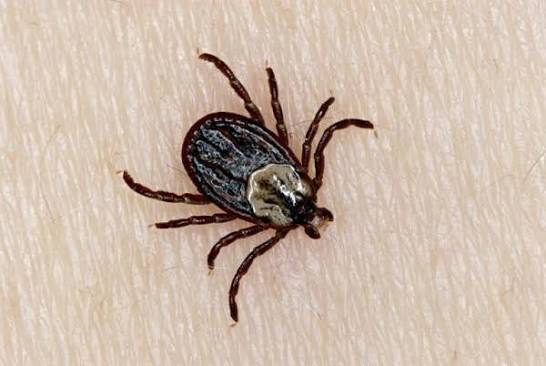
Scientific name: Hyalomma dromedarii Family: Ixodidae Order: Ixodida Risk level: High Category: Crawling pests
? What is a camel tick
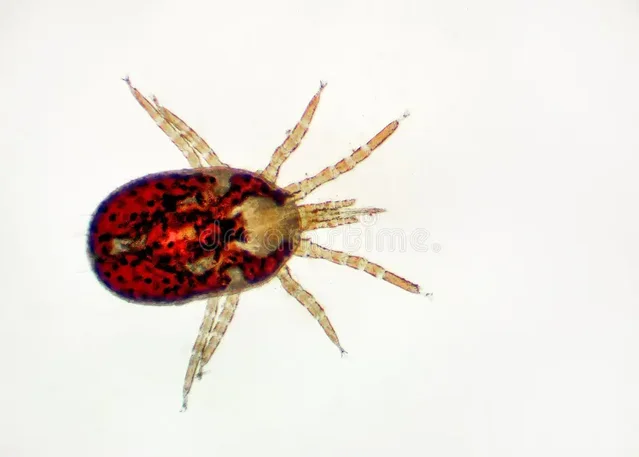
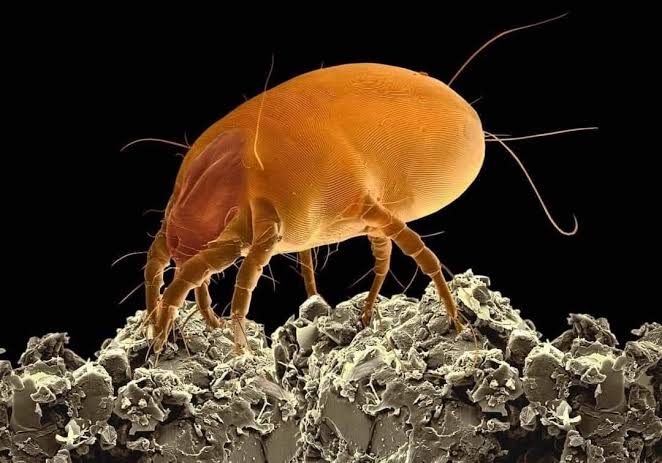
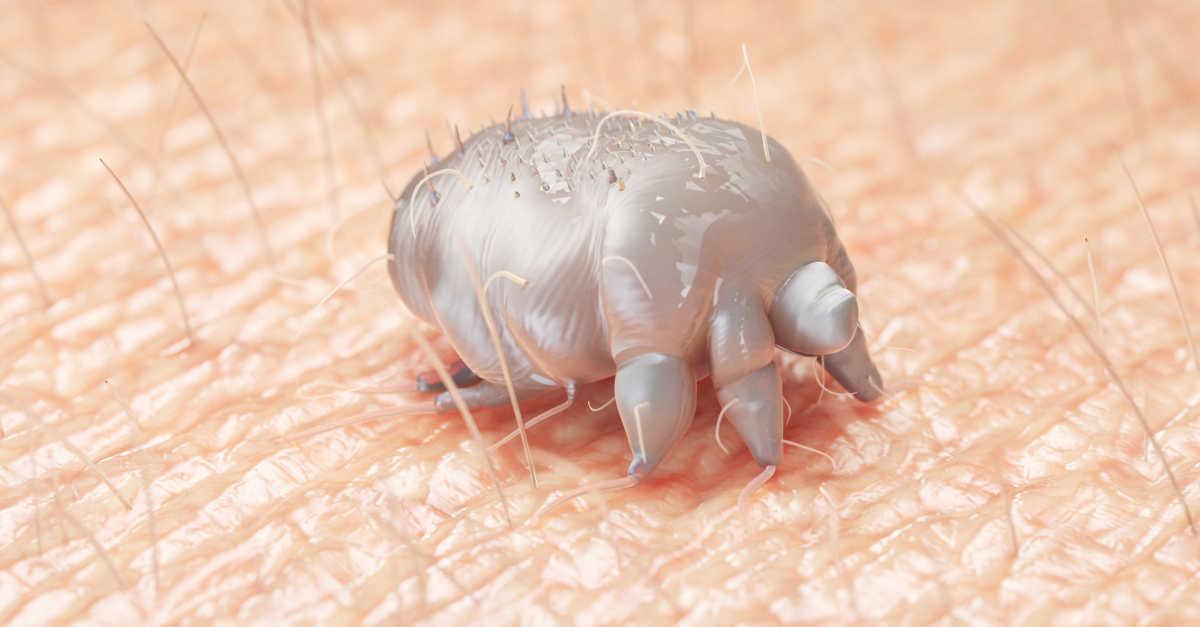
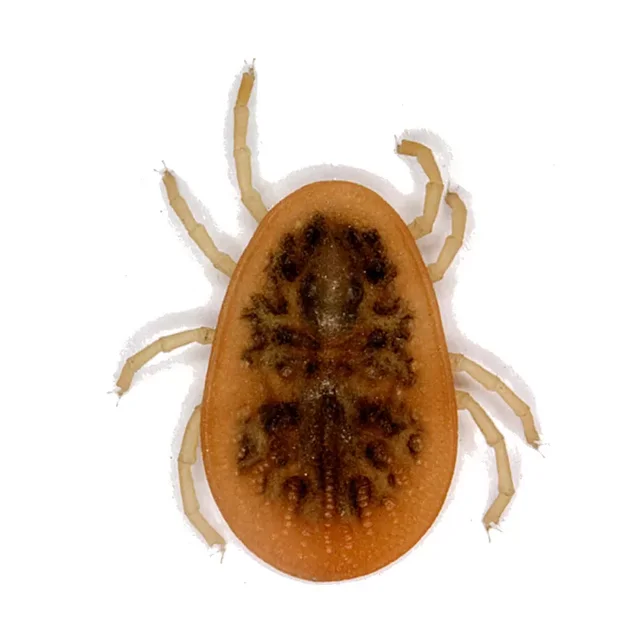
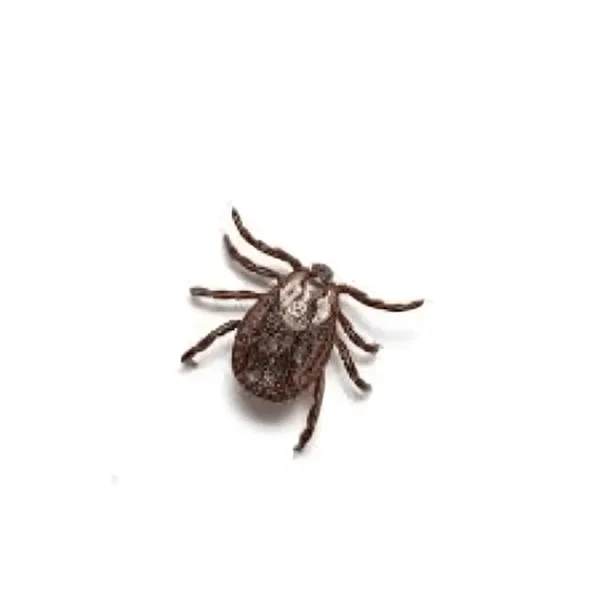
The camel tick (Hyalomma dromedarii) is one of the prominent ticks of the Arabian Peninsula and Middle East because of its close association with camels, a major livestock resource in the Gulf and Arabian Peninsula. It is medium to large, with distinctive white-and-brown banded legs. Its role in transmitting MERS-CoV and Crimean-Congo hemorrhagic fever has recently become clear.
Camel tick life cycle
Its three-stage life cycle (larva, nymph and adult) takes 2–3 years. Each stage requires one blood meal to mature.
Where camel ticks occur
They occur in several regions. Medically important species are found in the Gulf, Saudi Arabia, Egypt and the MENA region.
Damage and risks associated with camel ticks
It is a vector of MERS-CoV (Middle East respiratory syndrome) and Crimean-Congo hemorrhagic fever (CCHF). It causes anemia and reduced productivity in camels.
Signs of camel ticks
Signs include a tick attached to a person or animal, a raised temperature and itching at the attachment site, and exposure to grassy or wooded environments or animals.
Where camel ticks are found
They occur on camels’ thick skin, especially near the ears, neck and abdomen. They are also found in pasture and barn environments.
Camel tick control methods
Check people and animals after visits to risk areas. Wear long sleeves. Use DEET or permethrin repellents. Check pets regularly.
Camel tick control products
Use permethrin to treat clothing and animal environments, fipronil for pets, and ivermectin for livestock.
Food-facility control requirements
FSSC/BRCGS: ticks in outdoor areas of food facilities pose a health risk to workers and must be documented in the occupational risk assessment.
A fact about camel ticks
Hyalomma dromedarii is among the few ticks that exhibit “host pursuit”: it can run short distances after a host instead of waiting passively on grass. This rare behavior makes it more effective at finding hosts.
Frequently asked questions
Q: What should I do if I find a tick on my body?
A: Remove it immediately with fine-tipped tweezers. Grasp it near the skin by the head and pull slowly and steadily. Do not twist, burn or apply anything to it. Keep it for identification.
Q: Is every tick bite dangerous?
A: No. Most tick bites are harmless, but some species transmit serious diseases. Prompt removal is important; most pathogens need 24–48 hours of attachment to transmit