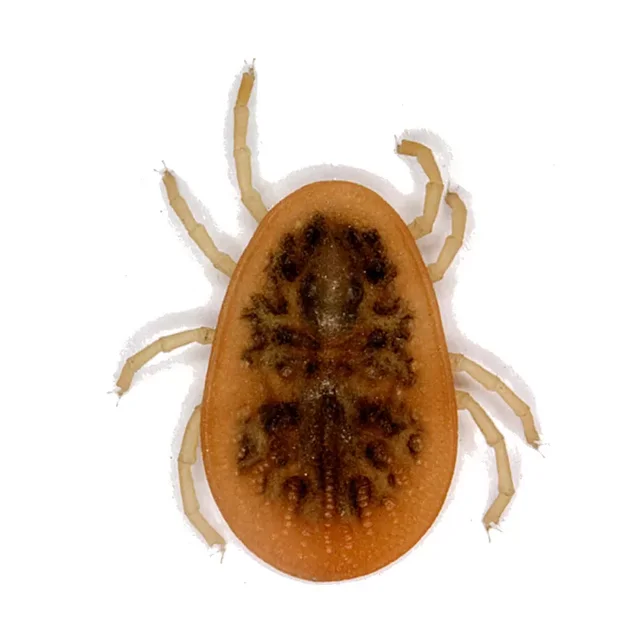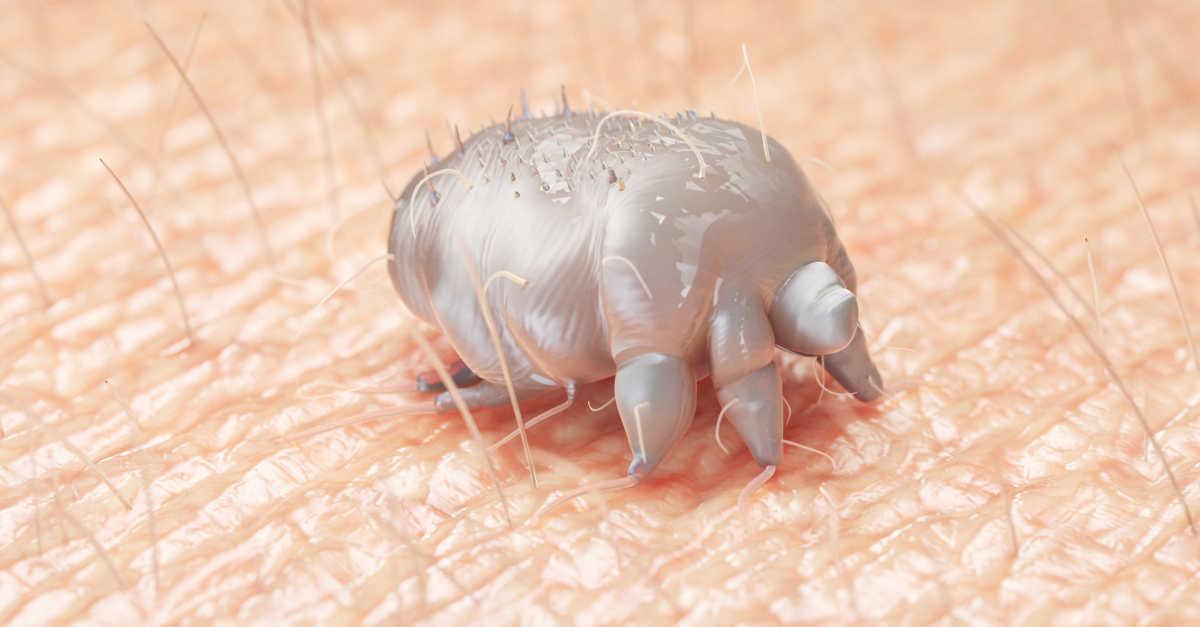
Scientific name: Sarcoptes scabiei Family: Sarcoptidae Order: Acari Risk level: Very high Category: Crawling pests
? What is the scabies mite
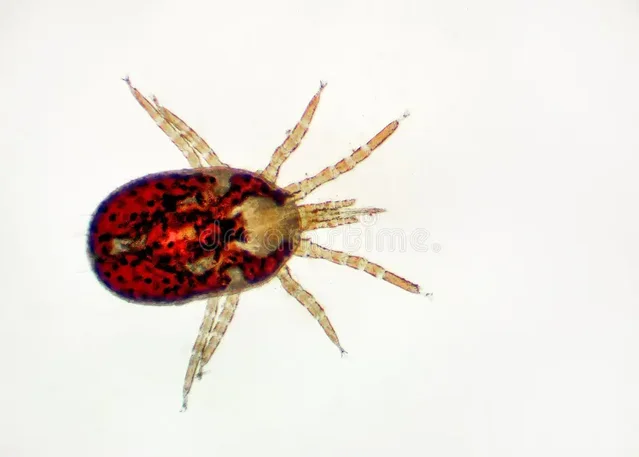
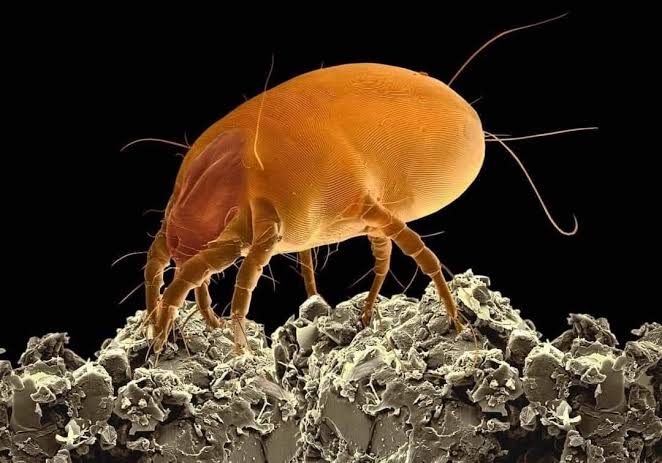
The scabies mite (Sarcoptes scabiei) burrows microscopic tunnels in the outer skin layer (stratum corneum) to lay its eggs. It is tiny (0.3–0.4 mm) and cannot be seen with the naked eye. It causes extremely severe nighttime itching as a result of the human immune response to the mite’s secretions and waste. It is highly contagious through direct contact.
Scabies mite life cycle
Its rapid life cycle progresses from egg to six-legged larva to nymph to adult and is completed in two weeks under ideal conditions.
Where scabies mites occur
They occur worldwide, with different species in different environments. They are common in Saudi Arabia, the Gulf and Egypt.
Damage and risks associated with scabies mites
Scabies causes intense nighttime itching, fluid-filled blisters, fine lines in the skin (burrows) and an allergic rash. Crusted scabies can occur in people with weakened immunity; thick crusts may contain millions of mites.
Signs of scabies mites
Clinical symptoms are the main evidence (itching, rash and reactions). The mite cannot be seen with the naked eye, so specialist diagnosis is required.
Where scabies mites are found
They occur exclusively on human skin, especially in areas with thin skin: between the fingers, wrists, ankles, armpits and genitals.
Scabies mite control methods
Environmental control depends on the species: ventilation and humidity reduction for house dust mites, cleaning bird enclosures, and treating animals and their environment for mange.
Scabies mite control products
Use specialized acaricides according to the species. Topical scabies treatments include permethrin. For poultry, fipronil and abamectin are listed.
Food-facility control requirements
FSSC/BRCGS: poultry mites pose a risk to farm workers and must be documented in the occupational risk assessment.
A fact about scabies mites
Scabies burrows can be detected using the burrow ink test: ink is applied and wiped off, leaving ink in the tunnels and making them visible to the naked eye. This clinical medical method is still used today.
Frequently asked questions
Q: Can scabies mites be seen with the naked eye?
A: Usually not. In most species, the mite is smaller than 0.5 mm. Diagnosis relies on signs and symptoms.
Q: What is the best treatment?
A: It depends on the species. Consult a doctor or specialist before any treatment