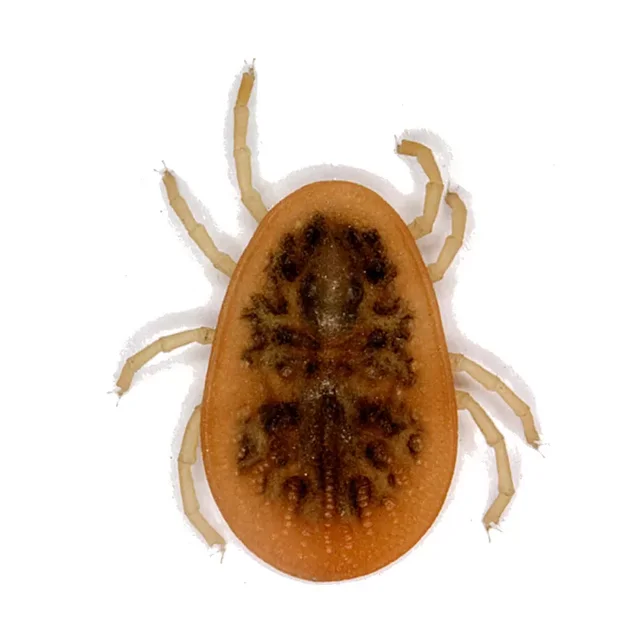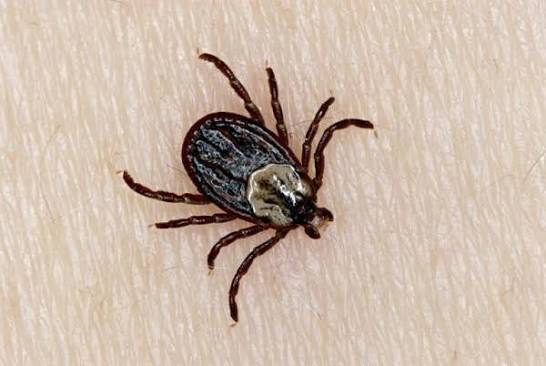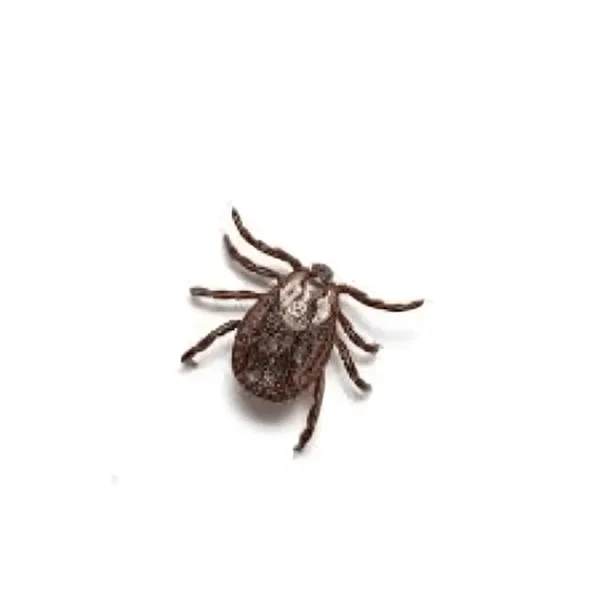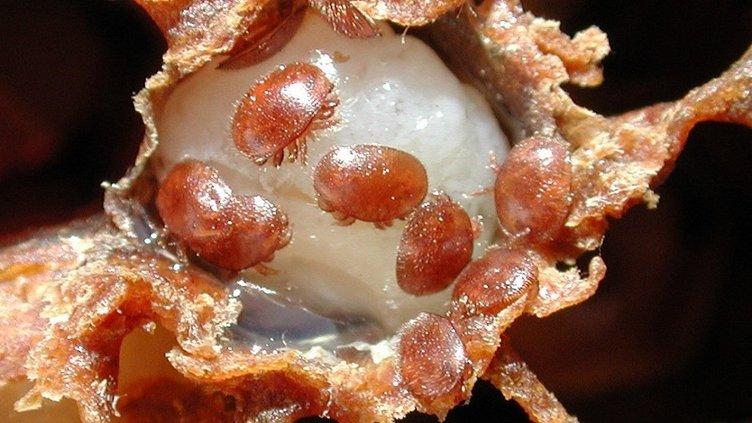
Scientific name: Varroa destructor Family: Varroidae Order: Acari Risk level: Very high Category: Crawling pests
? What is the Varroa mite
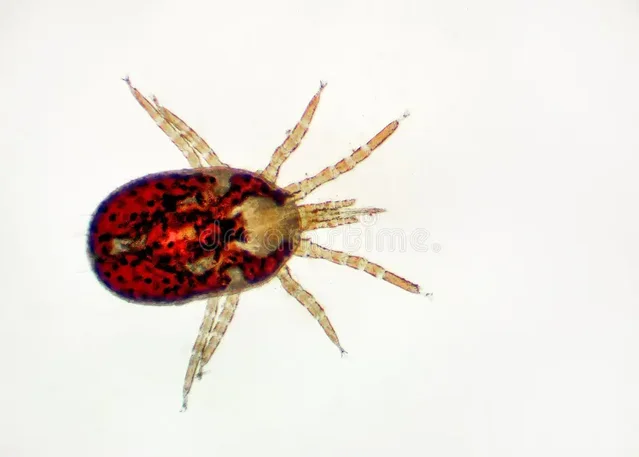
The Varroa mite (Varroa destructor) is one of the greatest parasitic threats to the global beekeeping industry. It parasitizes bee larvae and adults, feeding on their hemolymph, and transmits several viruses, including deformed wing virus (DWV). An untreated colony collapses within 2–3 years.
Varroa mite life cycle
Its rapid life cycle progresses from egg to six-legged larva to nymph to adult and is completed in two weeks under ideal conditions.
Where Varroa mites occur
They occur worldwide, with different species in different environments. They are common in Saudi Arabia, the Gulf and Egypt.
Damage and risks associated with Varroa mites
They weaken and deform bee larvae (including deformed wings), transmit several viruses, and cause colony collapse. They lead to a major decline in honey production and crop pollination services, with knock-on effects on food security.
Signs of Varroa mites
Clinical symptoms are the main evidence (itching, rash and reactions). The mite cannot be seen with the naked eye, so specialist diagnosis is required.
Where Varroa mites are found
They occur inside capped brood cells during reproduction, where they are fully protected from external treatment, and on adult bees during dispersal, the only treatment window.
Varroa mite control methods
Environmental control depends on the species: ventilation and humidity reduction for house dust mites, cleaning bird enclosures, and treating animals and their environment for mange.
Varroa mite control products
Use specialized acaricides according to the species. Topical scabies treatments include permethrin. For poultry, fipronil and abamectin are listed.
Food-facility control requirements
FSSC/BRCGS: poultry mites pose a risk to farm workers and must be documented in the occupational risk assessment.
A fact about Varroa mites
Varroa destructor moved from Apis cerana to “Aapis mellifera” through queen trading in the twentieth century. It is a classic study example of parasite transfer between species through animal trade and the greatest pollinator-health crisis in history.
Frequently asked questions
Q: Can Varroa mites be seen with the naked eye?
A: Usually not. In most species, the mite is smaller than 0.5 mm. Diagnosis relies on signs and symptoms.
Q: What is the best treatment?
A: It depends on the species. Consult a doctor or specialist before any treatment