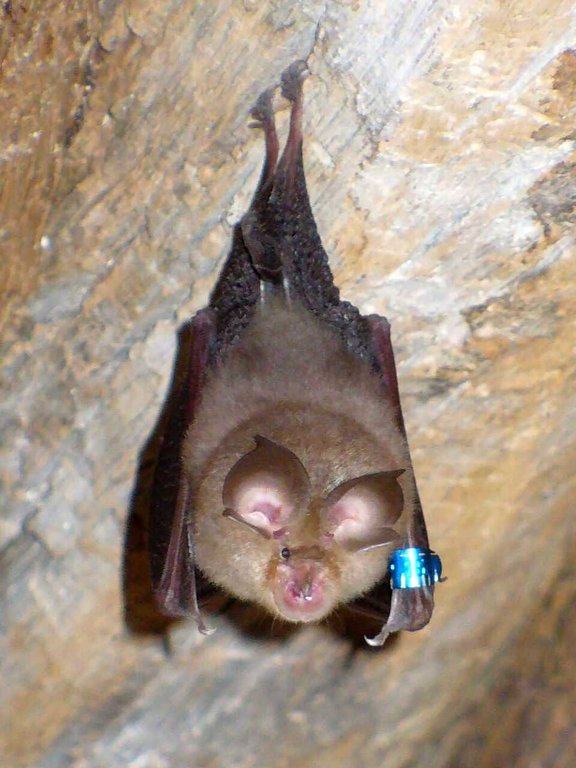
Scientific name: Pipistrellus pipistrellus Family: Vespertilionidae Order: Chiroptera Risk level: Moderate Category: Flying pests
?What is a common pipistrelle
The common pipistrelle (Pipistrellus pipistrellus) is the smallest European bat, weighing only 3–8 g. It roosts in building cavities, churches and warehouses. It is among the bat species that have raised concerns about coronaviruses.
Common pipistrelle life cycle
Mammals usually reproduce once or twice a year, with 2–8 young per pregnancy, depending on the species.
Where common pipistrelles occur
They occur in urban and rural environments in Saudi Arabia, the Gulf, Egypt and the MENA region.
Damage and risks associated with common pipistrelles
Their droppings can cause pulmonary histoplasmosis when they accumulate and dry. They are potential carriers of coronaviruses and rabies in some areas. Bats can carry rabies without showing symptoms.
Signs of common pipistrelles
Signs include direct sightings, footprints, characteristic droppings and sounds, and damage to poultry or waste.
Where common pipistrelles are found
They occur in roof gaps, arches, spaces beneath interior and exterior walls, and historic churches and mosques.
Common pipistrelle control methods
Work with environmental and wildlife authorities. Manage attractants such as waste and poultry. Use protective fencing and live traps in accordance with regulations.
Common pipistrelle control products
Follow local regulations; most of these species are protected or subject to regulated hunting. They may be killed only with a permit.
Food-facility control requirements
FSSC/BRCGS: stray animals around a facility represent a high risk. Recording sightings and having a reporting protocol are mandatory.
A fact about common pipistrelles
Bats consume large quantities of insects. A common pipistrelle eats 3,000 mosquitoes and fleas in one night. Destroying their colonies can therefore have serious environmental and economic effects on agriculture and human health, including an increase in harmful mosquitoes.
Frequently asked questions
Q: Are common pipistrelles dangerous?
A: Their risk level is moderate. Their droppings can cause pulmonary histoplasmosis when they accumulate and dry. They may carry viruses. Keep away and notify the relevant authorities.
Q: Who is responsible for removing stray animals?
A: Usually municipalities and animal-environment agencies. Do not try to remove them yourself; some species are legally protected.