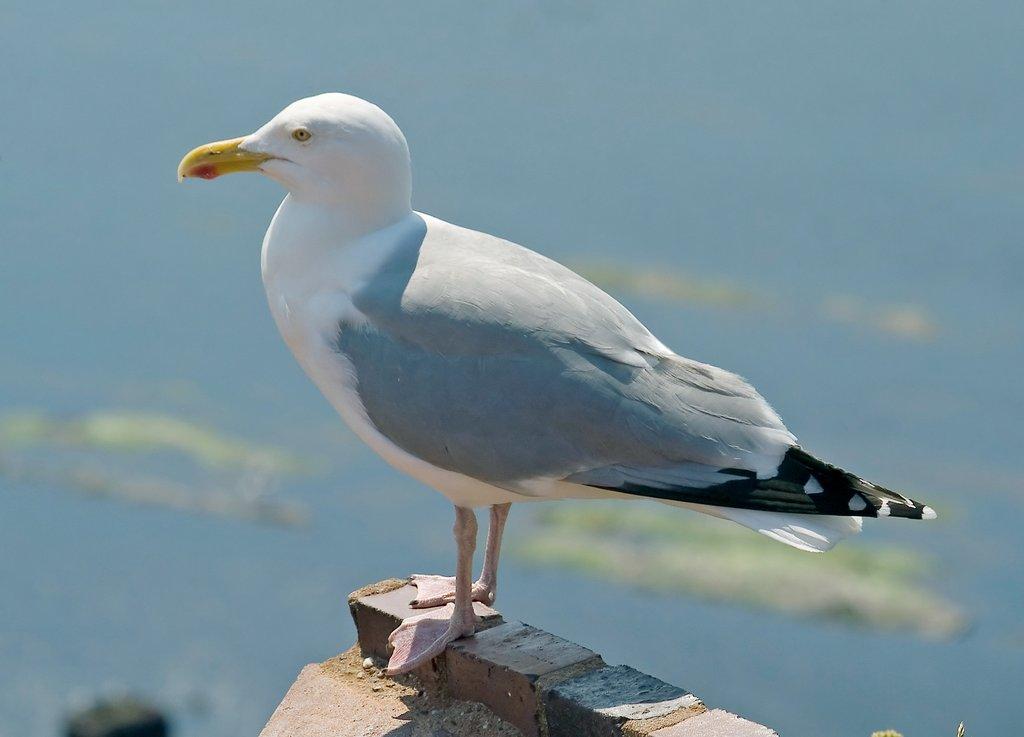
Scientific name: Larus argentatus Family: Laridae Order: Charadriiformes Risk level: Moderate Category: Flying pests
? What is a herring gull
The herring gull (Larus argentatus) is a large seabird (60–67 cm) that adapts readily to urban and industrial environments. It poses a serious aviation risk at coastal airports and contaminates fish-processing facilities and ports with acidic droppings.
Herring gull life cycle
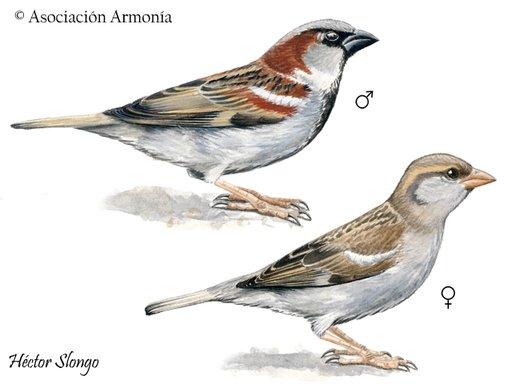
Birds usually reach maturity in their first year. Pigeons lay two eggs per clutch and produce 4–6 clutches annually. Sparrows produce 2–3 broods per year, with 4–6 young each.
Where herring gulls occur
Feral and domestic birds occur in cities, airports, food industries and urban areas worldwide.
Damage and risks associated with herring gulls
They pose an aviation hazard at coastal airports, contaminate fish products with droppings and corrode roofs with acidic droppings. They transmit Campylobacter and salmonella.
Signs of herring gulls
Signs include droppings on roofs and equipment, nests in ventilation openings and window frames, shed feathers, noise and contamination marks on products.
Where herring gulls are found
They occur at ports and fish-processing facilities, coastal airports, coastal landfills and on industrial roofs near the coast.
Herring gull control methods
Start with physical deterrents: spike wires, netting, low-voltage electric systems and repellent gels. A biological deterrent is trained birds of prey.
Herring gull control products
Use live traps and relocation. Sterilized bird eggs may be used in accordance with regulations. Chemical repellents (methyl anthranilate) can be used in open areas.
Food-facility control requirements
FSSC 22000/BRCGS: birds in food areas are an immediate major non-conformance. A documented bird-prevention program with regular monitoring is required.
A fact about herring gulls
Herring gulls are among the few birds able to drink salty seawater and biologically desalinate it. Salt glands above their eyes remove salt from the blood and secrete concentrated solution through the nostrils. This rare ability is important in water-desalination research.
Frequently asked questions
Q: What is the best way to drive herring gulls away from a building?
A: Combine physical solutions (wires and netting) with auditory and visual deterrents. Complete deterrence requires assessment by a bird specialist.
Q: Are bird droppings a health hazard?
A: Yes. They contain numerous pathogens, and their acidity damages structures. Cleanup requires suitable protective equipment and an occupational-health protocol.