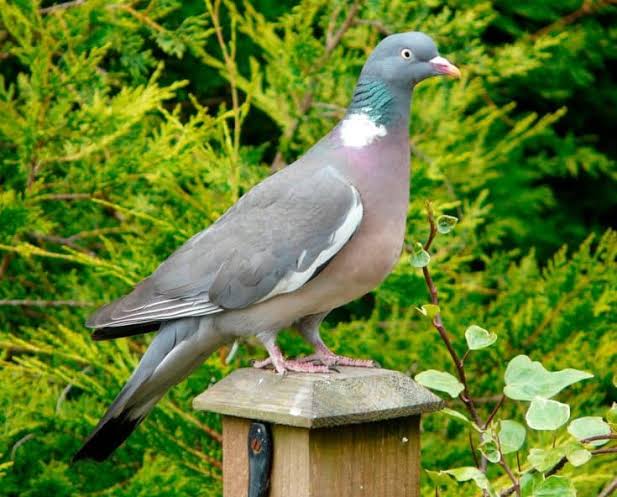
Scientific name: Columba palumbus Family: Columbidae Order: Columbiformes Risk level: Moderate Category: Flying pests
? What is a wood pigeon
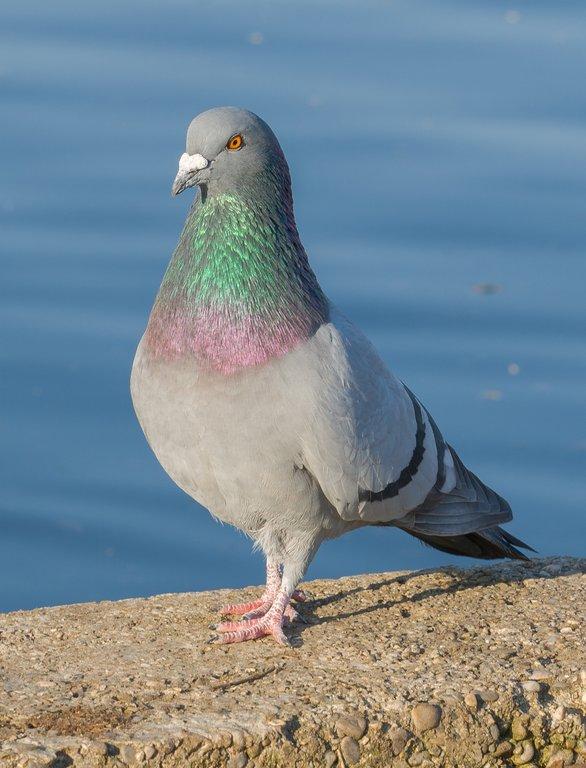
The wood pigeon (Columba palumbus) is larger than the feral pigeon (40–42 cm), with a distinct white patch on each side of the neck and a white wing patch visible in flight. It is a major agricultural pest that damages crops, especially grains, legumes and leafy vegetables.
Wood pigeon life cycle
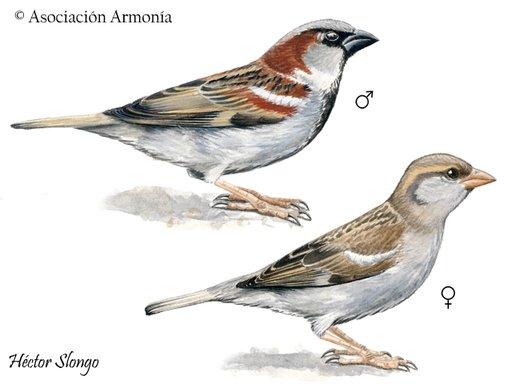
Birds usually reach maturity in their first year. Pigeons lay two eggs per clutch and produce 4–6 clutches annually. Sparrows produce 2–3 broods per year, with 4–6 young each.
Where wood pigeons occur
Feral and domestic birds occur in cities, airports, food industries and urban areas worldwide.
Damage and risks associated with wood pigeons
They damage various crops, including grains, legumes, brassicas and vegetable seedlings. Agricultural economic losses are severe in intensive farming areas.
Signs of wood pigeons
Signs include droppings on roofs and equipment, nests in ventilation openings and window frames, shed feathers, noise and contamination marks on products.
Where wood pigeons are found
They occur in grain, legume and vegetable fields. They nest in dense trees and woodlands near farmland.
Wood pigeon control methods
Start with physical deterrents: spike wires, netting, low-voltage electric systems and repellent gels. A biological deterrent is trained birds of prey.
Wood pigeon control products
Use live traps and relocation. Sterilized bird eggs may be used in accordance with regulations. Chemical repellents (methyl anthranilate) can be used in open areas.
Food-facility control requirements
FSSC 22000/BRCGS: birds in food areas are an immediate major non-conformance. A documented bird-prevention program with regular monitoring is required.
A fact about wood pigeons
The wood pigeon is one of Europe’s most legally hunted birds because of its crop damage. Studies show that hunting pressure alone does not produce a sustainable population reduction, highlighting the importance of managing breeding and food resources.
Frequently asked questions
Q: What is the best way to drive wood pigeons away from a building?
A: Combine physical solutions (wires and netting) with auditory and visual deterrents. Complete deterrence requires assessment by a bird specialist.
Q: Are bird droppings a health hazard?
A: Yes. They contain numerous pathogens, and their acidity damages structures. Cleanup requires suitable protective equipment and an occupational-health protocol.