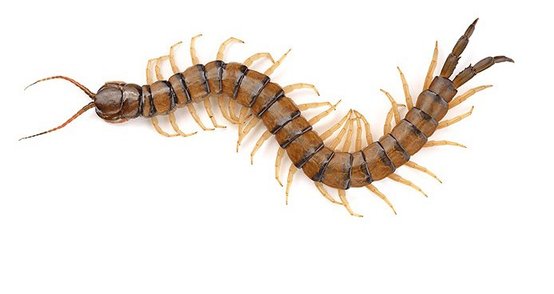
Scientific name: Scolopendra cingulata Family: Scolopendridae Order: Chilopoda Risk level: Moderate Category: Crawling pests
? What is a European centipede
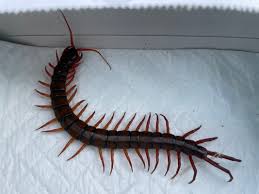
The European centipede (Scolopendra cingulata) reaches 17 cm and has a pair of venomous forcipules behind its head. Despite its name, it does not have exactly 40 legs; different species have different numbers, which are always odd. Its bite is very painful and causes noticeable swelling.
European centipede life cycle
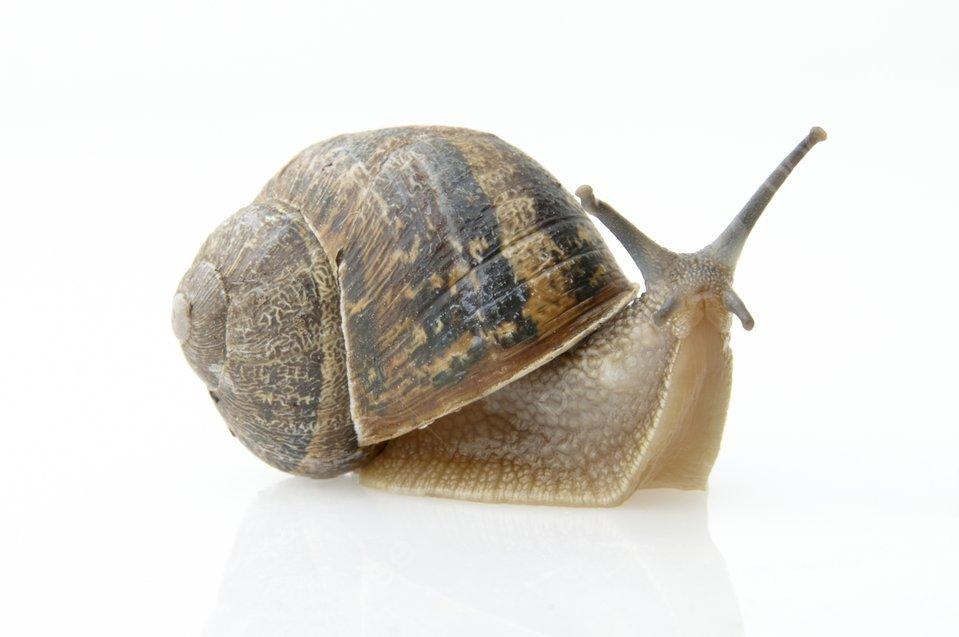
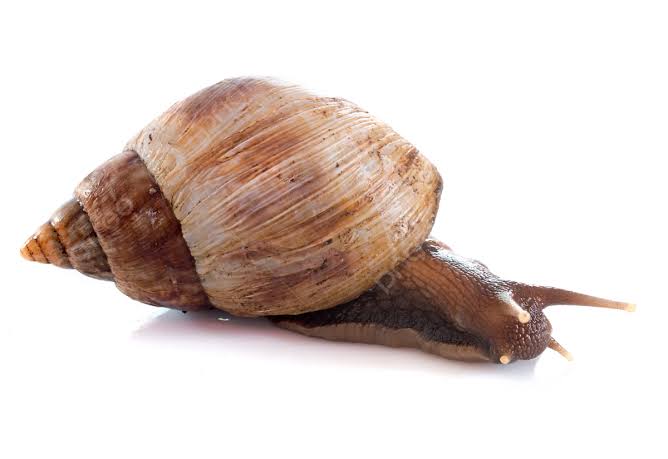
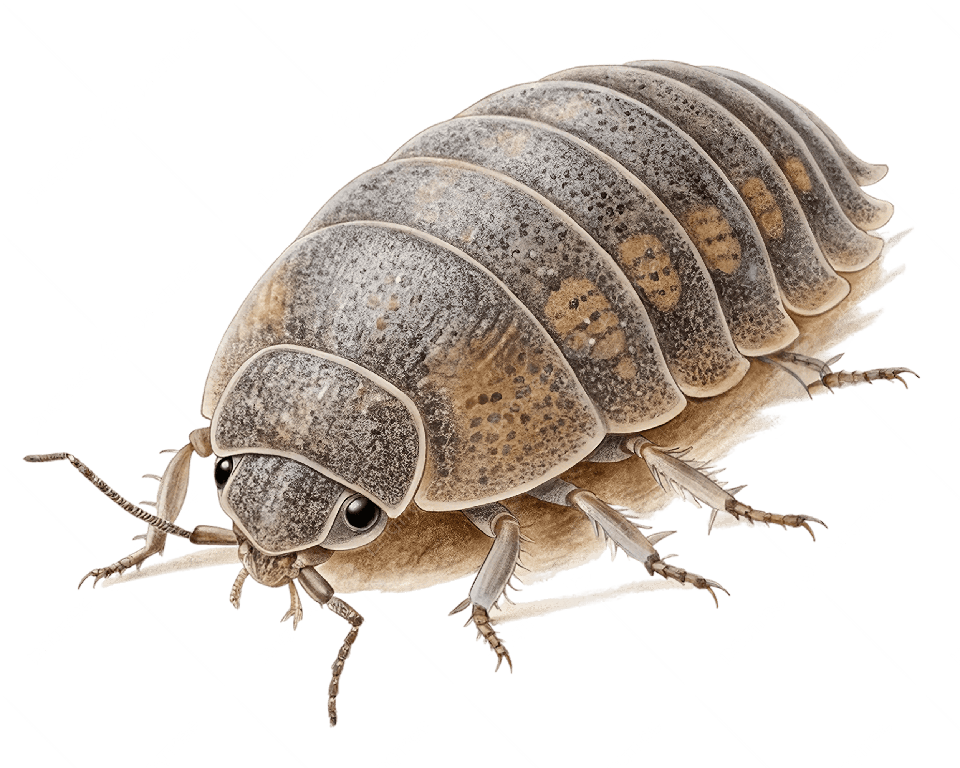
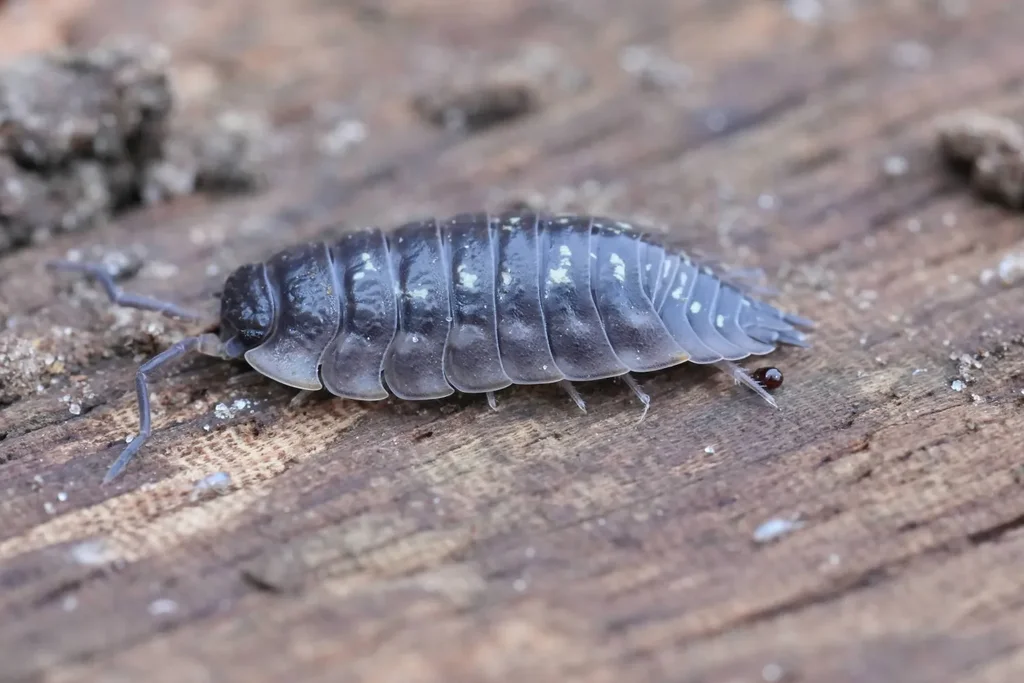
The life cycle varies: woodlice reproduce through eggs in a brood pouch, while mollusks lay eggs in damp soil.
Where European centipedes occur
They occur worldwide in damp environments and are found in humid and agricultural areas of the Gulf, Saudi Arabia and Egypt.
Damage and risks associated with European centipedes
Its bite causes intense burning pain and localized swelling lasting for hours. Rarely, systemic allergic reactions occur. It does not usually cause death in healthy adults.
Signs of European centipedes
Signs include the animals themselves in damp, dark places, plant damage and slimy secretions (from slugs).
Where European centipedes are found
They occur under stones and wood in gardens, in damp basements, wall cracks and under tiles in damp areas.
European centipede control methods
Reducing humidity is the most important step. Remove firewood and accumulated organic matter. Use metaldehyde baits for slugs and diatomaceous earth for prevention.
European centipede control products
Use metaldehyde for snails and slugs, environmentally safe iron phosphate, and diatomaceous earth for isolation.
Food-facility control requirements
FSSC/BRCGS: woodlice and mollusks indicate unacceptable moisture conditions and must be included in pest-control plans.
A fact about European centipedes
S. cingulata can grasp prey with its front and rear legs at the same time while injecting venom. This unique hunting mechanism makes it one of the most efficient invertebrate predators relative to its size.
Frequently asked questions
Q: Are European centipedes dangerous?
A: Their risk level is moderate. Their presence in a facility indicates a moisture problem. Addressing the moisture source is more important than treating them directly.
Q: What does a moisture indicator mean?
A: The presence of these organisms indicates high humidity or a drainage problem in the facility. Addressing the moisture will reduce their presence automatically.