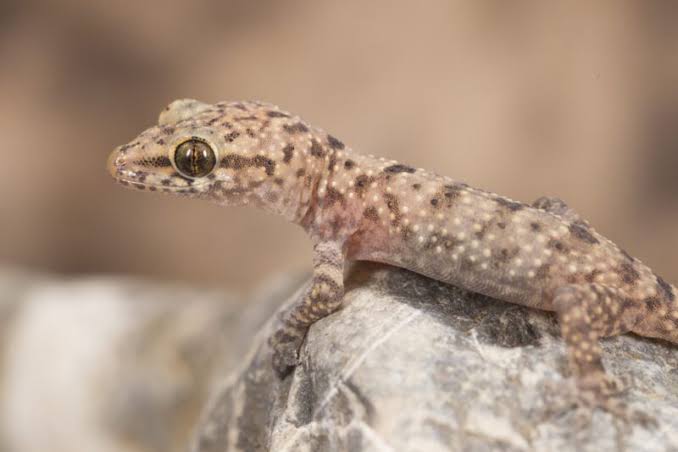
Scientific name: Hemidactylus turcicus Family: Gekkonidae Order: Squamata Risk level: Low Category: Reptiles
? What is a Turkish house gecko
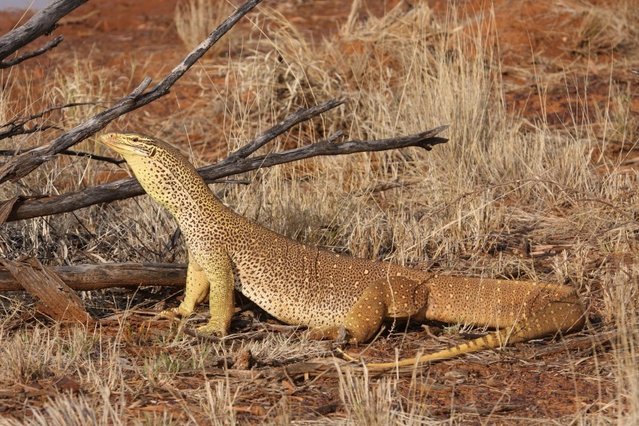
The Turkish house gecko (Hemidactylus turcicus) is a small lizard (7–10 cm) that appears translucent at night. It is very common in homes, restaurants and hotels across the Gulf and Middle East. It is ecologically beneficial because it eats insects, but it can be visually bothersome and its droppings contaminate surfaces.
Turkish house gecko life cycle
Reptiles may lay eggs or, in some cases, give birth to live young. Their life cycle depends on environmental temperature. Snakes reproduce once or twice a year.
Where Turkish house geckos occur
Reptiles are common in dry and desert regions of Saudi Arabia, the Gulf and the MENA region.
Damage and risks associated with Turkish house geckos
Their small black droppings contaminate surfaces and food. Falling into food is rare, but still contaminates it. Their presence in food facilities is unacceptable despite their ecological benefit.
Signs of Turkish house geckos
Signs include direct sightings, shed skins, tracks in sand and eggs in warm soil.
Where Turkish house geckos are found
They occur on building walls near light sources, where they hunt insects attracted to the light; inside cabinets and cracks; and behind pictures and furniture.
Turkish house gecko control methods
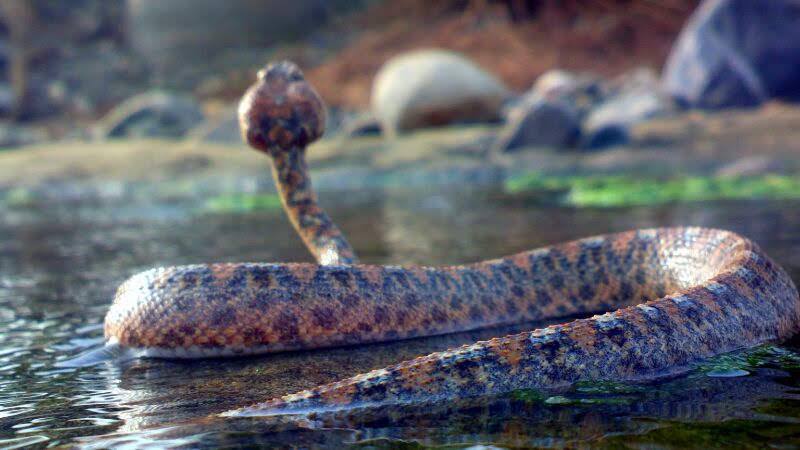
Completely seal openings. Remove firewood and piled materials. Notify specialists immediately. Do not touch snakes.
Turkish house gecko control products
Chemical pesticides are not usually used for reptiles. Sticky traps are used for lizards. Remove habitats and seal cracks.
Food-facility control requirements
FSSC/BRCGS: venomous snakes pose an extremely serious occupational risk and require an immediate evacuation protocol and notification of a specialist.
A fact about Turkish house geckos
The Turkish house gecko climbs smooth glass using millions of tiny hairs (setae) on its feet, which create adhesion through van der Waals forces. Materials scientists have drawn on this system to design new adhesives such as GeckSkin, which outperform all synthetic materials in repeated adhesion and release.
Frequently asked questions
Q: What should I do if I see a snake in a facility?
A: Evacuate the area immediately. Do not approach or try to catch it. Notify a specialist or the relevant authorities. Photograph it from a safe distance for identification.
Q: How can I prevent snakes from entering a building?
A: Seal all openings larger than 6 mm in walls and ceilings. Remove firewood, stones and anything that provides shelter. Bright lighting around the exterior acts as a natural deterrent.