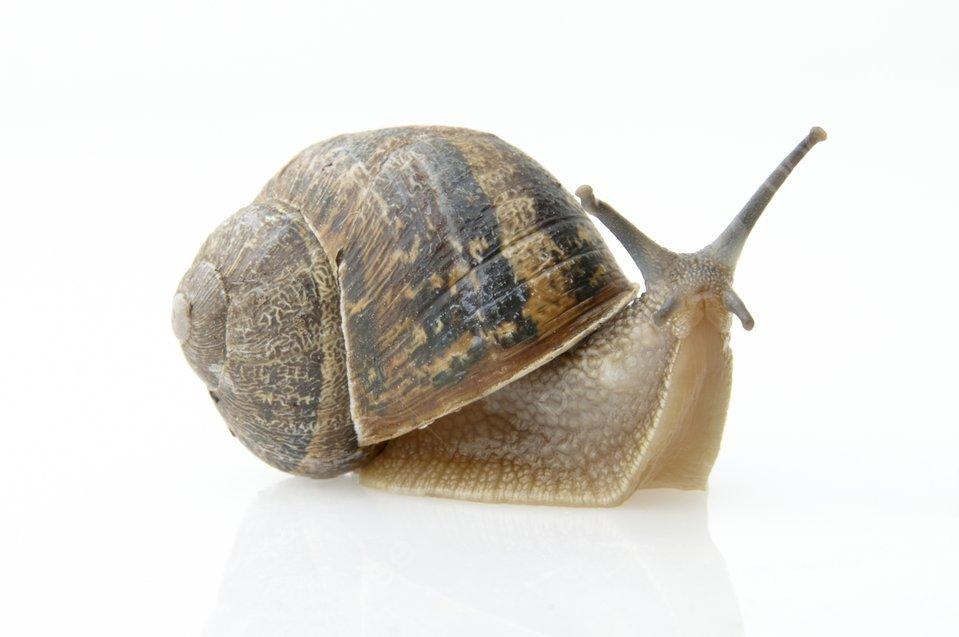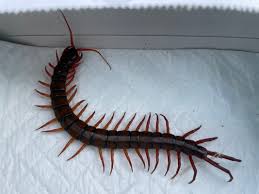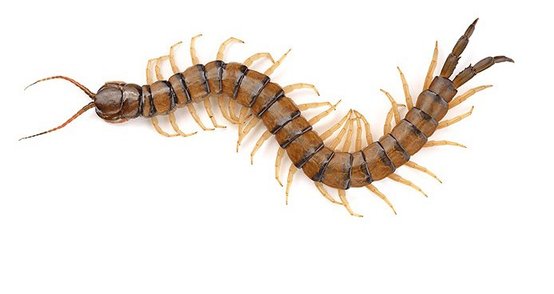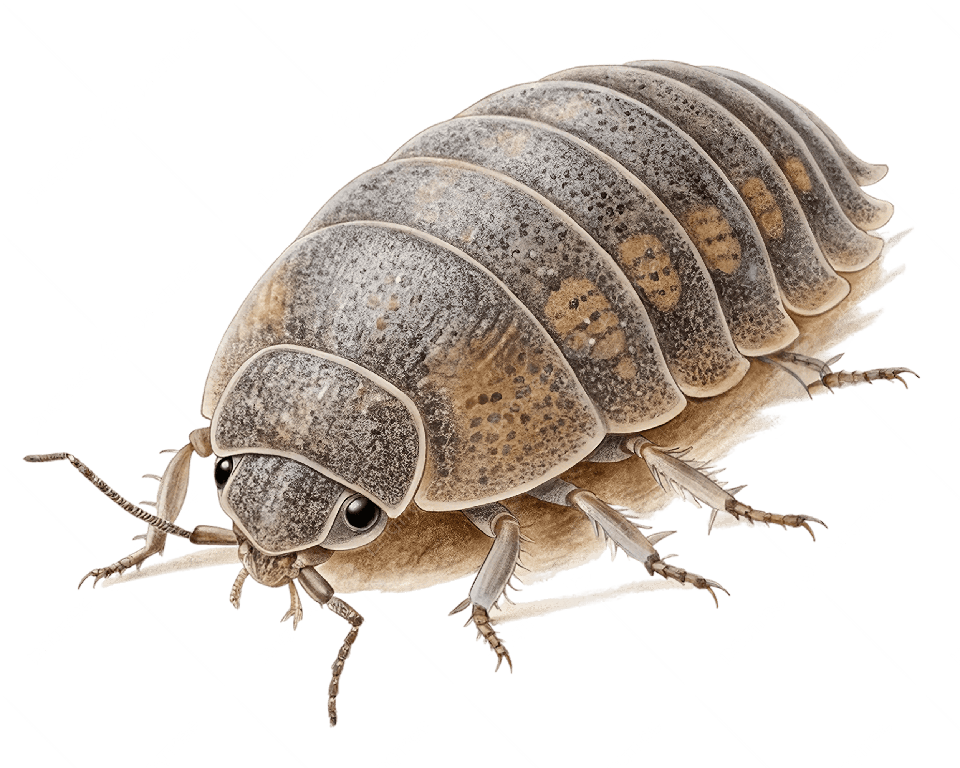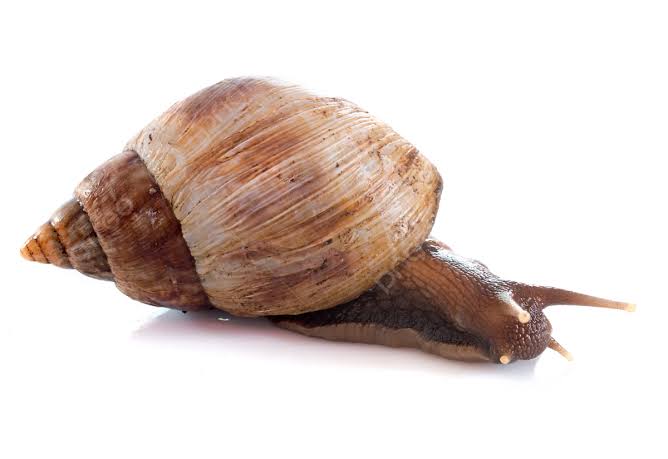
Scientific name: Achatina fulica Family: Achatinidae Order: Gastropoda Risk level: Very high Category: Crawling pests
? What is a giant African land snail
The giant African land snail (Achatina fulica) is one of the world’s most dangerous invasive pests and is listed among the 100 worst global pests. Its shell can reach 20 cm in diameter, and it can live for up to nine years. It eats more than 500 plant species and can destroy entire crops in high-density infestations. It is internationally prohibited.
Giant African land snail life cycle
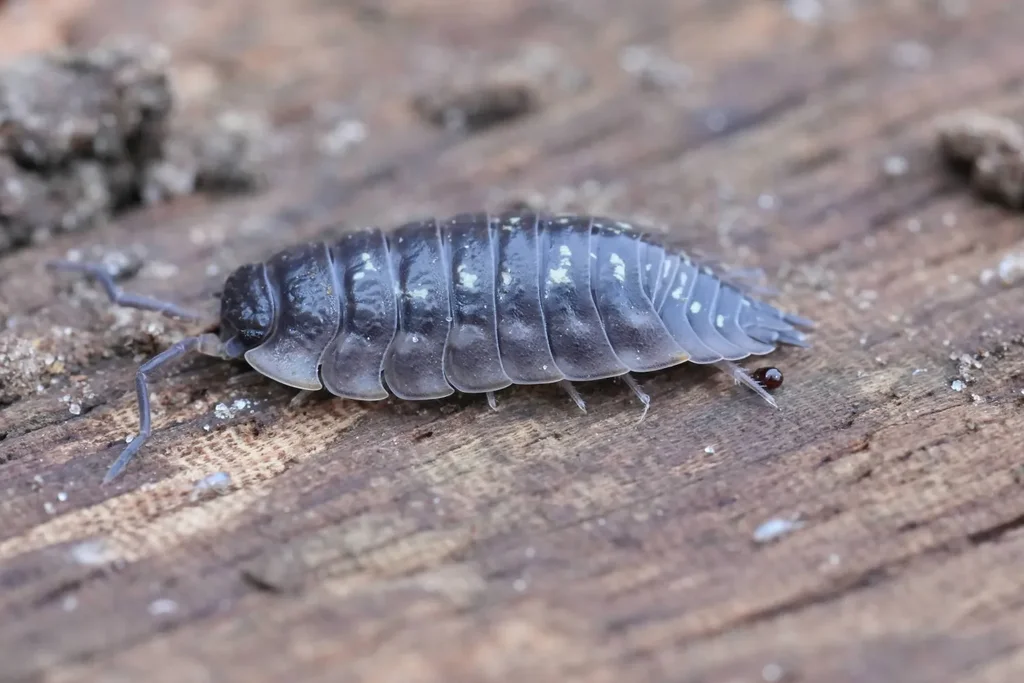
The life cycle varies: woodlice reproduce through eggs in a brood pouch, while mollusks lay eggs in damp soil.
Where giant African land snails occur
They occur worldwide in damp environments and are found in humid and agricultural areas of the Gulf, Saudi Arabia and Egypt.
Damage and risks associated with giant African land snails
They can destroy entire crops. They transmit dangerous parasites, including Angiostrongylus cantonensis (meningitis worm), which can cause meningitis in humans through saliva or inadequate hygiene after contact. They also harm biodiversity.
Signs of giant African land snails
Signs include the animals themselves in damp, dark places, plant damage and slimy secretions (from mollusks).
Where giant African land snails are found
They occur in damp nurseries, tropical gardens, humid crop farms and areas where agricultural goods are imported.
Giant African land snail control methods
Reducing humidity is the most important step. Remove firewood and accumulated organic matter. Use metaldehyde baits for slugs and diatomaceous earth for prevention.
Giant African land snail control products
Use metaldehyde for snails and slugs, environmentally safe iron phosphate, and diatomaceous earth for isolation.
Food-facility control requirements
FSSC/BRCGS: woodlice and mollusks indicate unacceptable moisture conditions and must be included in pest-control plans.
A fact about giant African land snails
The giant African land snail is a hermaphrodite, with both male and female reproductive organs. More significantly, one individual can store sperm for years and fertilize itself when needed, meaning a single smuggled snail can establish a colony.
Frequently asked questions
Q: Are giant African land snails dangerous?
A: Their risk level is very high. Their presence in a facility indicates a moisture problem. Addressing the moisture source is more important than treating them directly.
Q: What does a moisture indicator mean?
A: The presence of these organisms indicates high humidity or a drainage problem in the facility. Addressing the moisture will reduce their presence automatically.